


13 October 2025
2nd Steering Committee Meeting, Évora Nov24
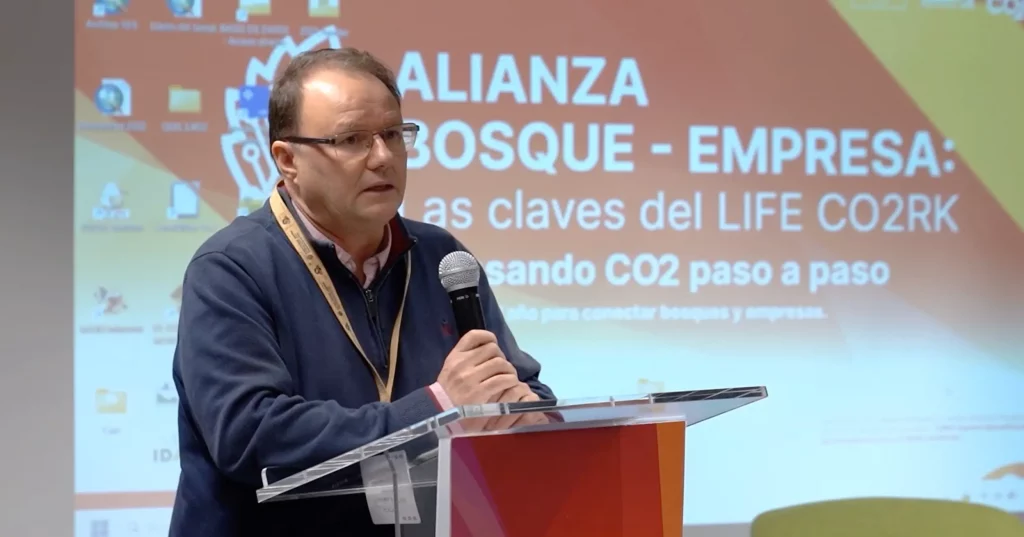
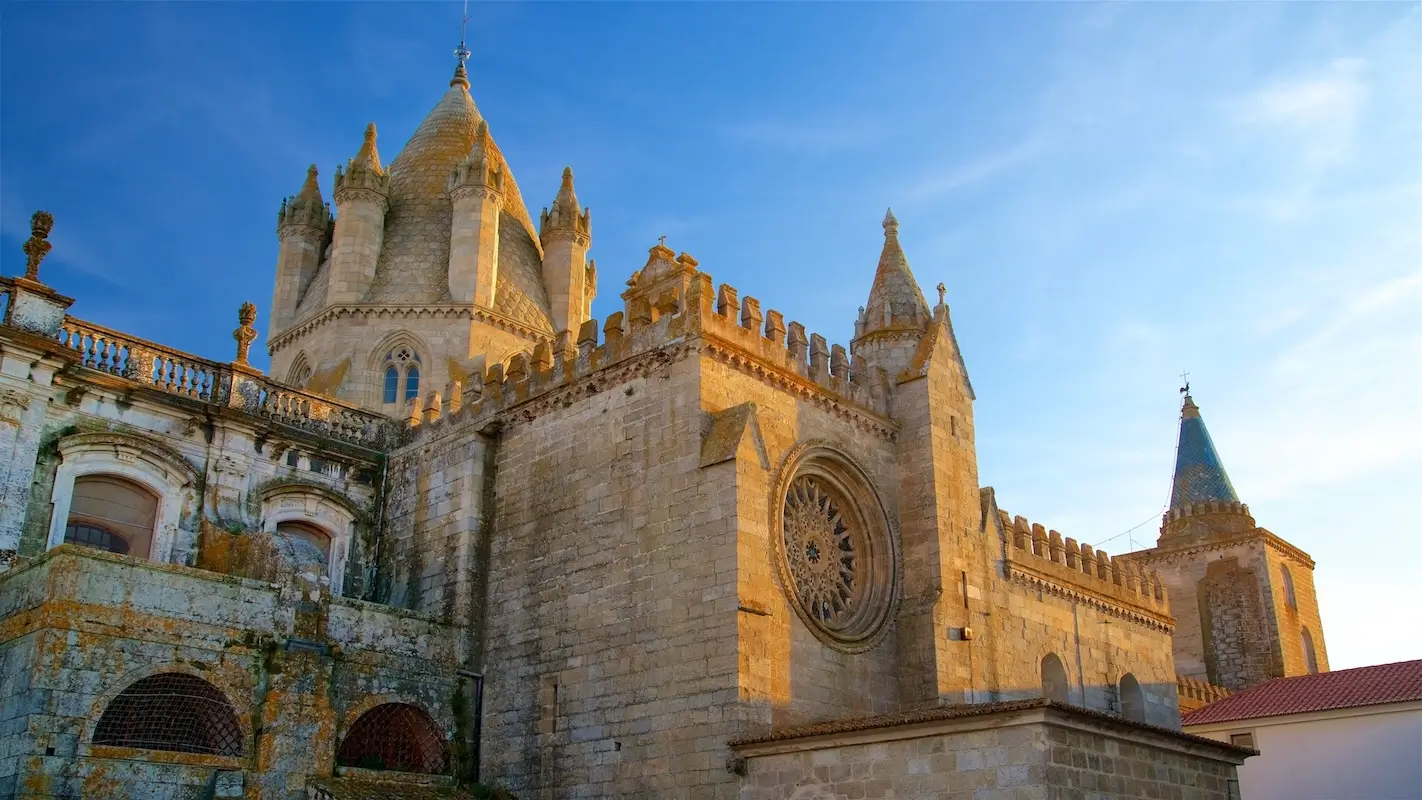
Advances on carbon farming and carbon offsetting in Mediterranean forests The LIFE CO2RK partners met in Évora, Alentejo, on 25–26 November 2024 to review the project's technical progress and advance the methodologies that will connect sustainable forest management with carbon sequestration and voluntary carbon offsetting. The meeting focused particularly on the work being carried out…
Advances on carbon farming and carbon offsetting in Mediterranean forests
The LIFE CO2RK partners met in Évora, Alentejo, on 25–26 November 2024 to review the project’s technical progress and advance the methodologies that will connect sustainable forest management with carbon sequestration and voluntary carbon offsetting.
The meeting focused particularly on the work being carried out in cork oak forests in Andalusia and Alentejo and beech forests in Marche, combining scientific research, experimental plots and practical forest management.
Defining carbon farming practices in Cork Oak forests
A major part of the technical work is focused on defining the silvicultural practices that can increase carbon sequestration while improving the resilience, biodiversity and economic sustainability of slow-growing forests
For cork oak forests, the project is analysing different management practices and silvicultural itineraries in Andalusia and Portugal. This work will provide forest owners with practical guidance on how traditional forestry can be adapted to maximise climate benefits.
At the same time, the project is selecting a network of experimental plots in Andalusia, Alentejo and Marche. These plots will allow the methodologies to be tested under different ecological and management conditions and provide the information required to quantify changes in carbon stocks.
From forest management to measurable carbon
The meeting also addressed one of LIFE CO2RK’s main scientific challenges: quantifying the carbon captured and stored as a consequence of forest management.
The methodologies being developed consider both biomass and soil carbon and will provide the basis for modelling carbon flows in cork oak and beech forests
The ultimate objective is to transform this scientific knowledge into practical methodologies capable of demonstrating the additional carbon sequestration generated by sustainable forestry, a necessary step for incorporating these practices into credible carbon offsetting schemes.
Connecting forest owners with carbon finance
LIFE CO2RK is also preparing the next stage of the project: connecting forest owners willing to adopt sustainable practices with companies interested in compensating their residual greenhouse gas emissions.
The project will develop pilot carbon offsetting projects in which the methodologies tested in the experimental plots can be applied under real conditions. This will help define the procedures needed to move from carbon measurement to certifiable projects capable of attracting private investment to sustainably managed forests.
The regulatory developments underway in Portugal and Italy were also analysed. Particular attention was given to the Portuguese voluntary carbon market and to the emerging Carbon+ approach, which recognises that forest projects can generate benefits extending beyond carbon sequestration, including biodiversity and other ecosystem services.
Learning from the Alentejo “Montado”
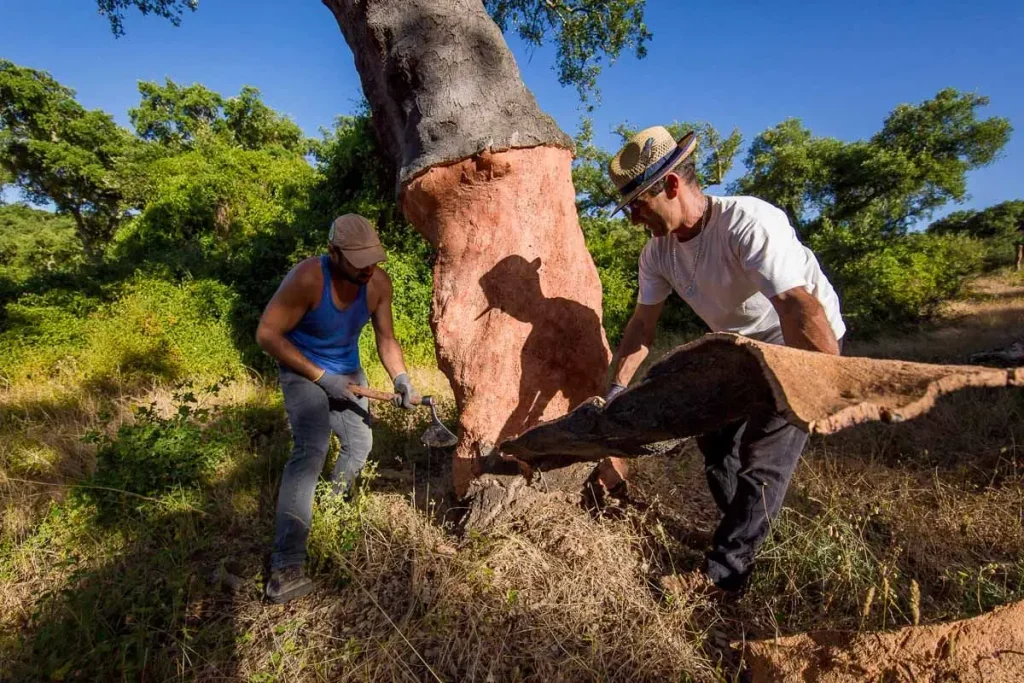
The Évora meeting concluded with a field visit to cork oak areas in the Alentejo, where the partners compared traditional montado management with more intensive cork oak plantations.
The visit highlighted how tree density, natural regeneration, livestock grazing, shrub management, mechanisation and soil conservation determine both the productivity and environmental performance of cork oak systems.
These contrasting management models provide valuable information for LIFE CO2RK: there is no single forestry solution for carbon farming. Management must be adapted to local ecological and socioeconomic conditions while maintaining a common objective — increasing the capacity of European slow-growing forests to mitigate climate change and making their conservation economically viable.