


16 October 2025
Comparative experiences & lessons learned in Latvia
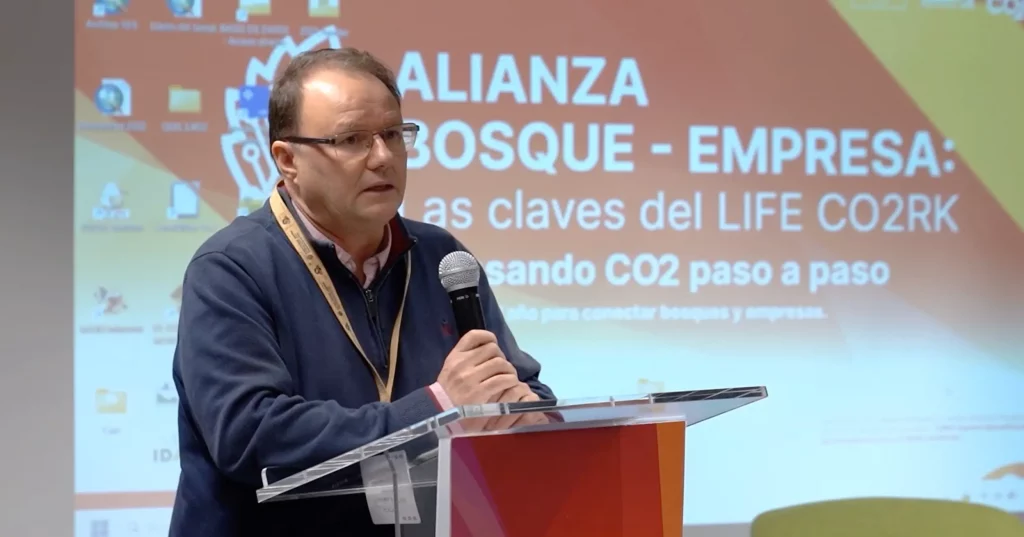
The International Conference "Together for Nature: Merging Public and Private Efforts" allows LIFE projects like CO2RK to exchange experiences and learn from each other, as well as establish contacts and partnerships for the future.
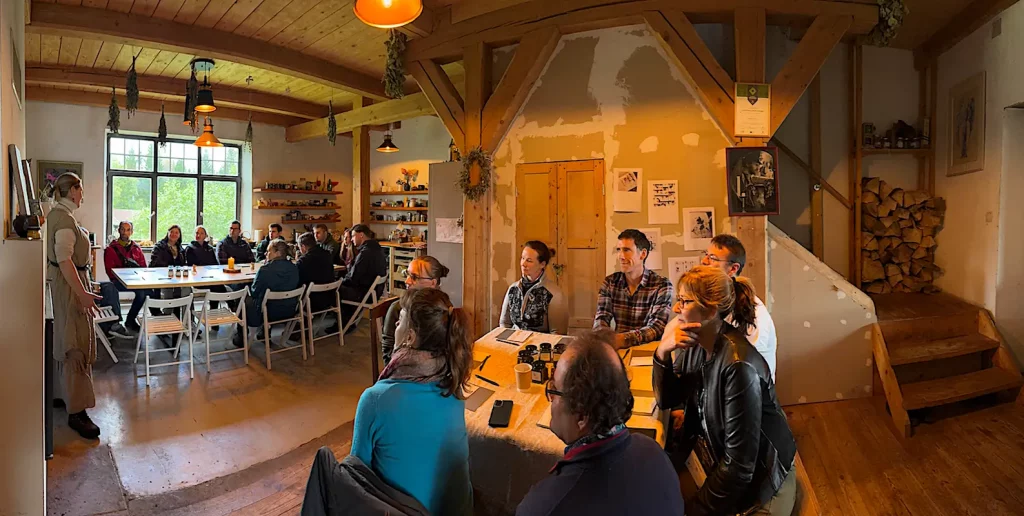
Networking and learning: Blooming Meadows
Blooming Meadows is an inspiring LIFE Project looking to the future, exploring ways to leverage CAP policies and funds to finance and support habitat restoration efforts in high-value areas by farmers, livestock breeders, and forest managers.
Multiple Funding Sources
In meadow, dehesa, or cork oak forest areas with mixed land use, exploitation is not only sustainable but also ensures the health and balance of the ecosystem. If the future trend, as indicated by the recent Nature Restoration Law, is to reward these private landowners for their work, this project generates administrative and financial synergies in areas where environmental policies and agricultural subsidies overlap.
It is necessary to make efficient use of European funds, and CAP lines of work such as eco-schemes must be made accessible, for example, in private agro-silvo-pastoral properties that demonstrate respectful and even beneficial management for the environment.

Cost Reduction and Stakeholder Engagement
Nature restoration projects, CO2 offsetting, and many others face two key challenges:
- Establishing the simplest and most cost-effective monitoring and verification methods possible, so that participation in pilot projects or ongoing initiatives does not impose a bureaucratic and financial burden on private landowners.
- Achieving high stakeholder engagement so that initiatives can be implemented across broad areas.
Blooming Meadows and other projects in the Baltic countries are testing a very interesting and innovative approach that should be implemented in Mediterranean projects (with a very different culture, not only in society but also within the administration itself):
Involving livestock farmers, agricultural producers, and forest owners in monitoring and verifying the progress of each project.
With measures in place to prevent fraud (and the loss of funding for non-compliant landowners), this approach offers several advantages:
- It reduces costs: with basic training, landowners report selected indicators from their mobile phones instead of having to finance the periodic travel of government technicians or consultants to remote areas.
- It engages the end user, who receives up to 10% additional funding for carrying out this work and sees that their efforts are of interest to the government, and that their work has value and credibility.
- It improves the quality of the data collected, because landowners know their land and biodiversity better than anyone else, and can identify the necessary indicators with maximum precision.
Networking and learning: Living Forests
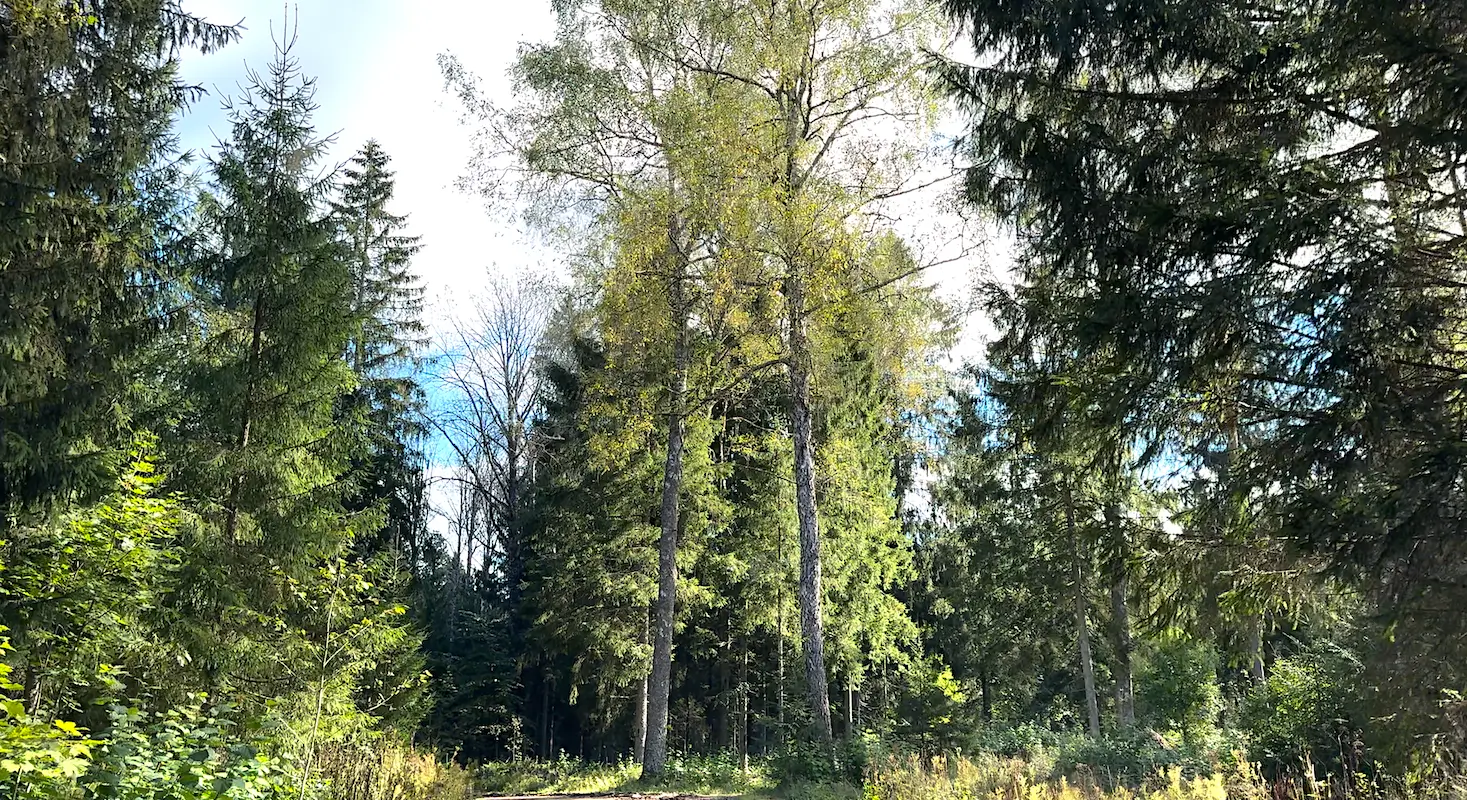
Visiting family-run forestry operations provides CO2RK with many ideas that can be applied to our project. The taiga ecosystem dazzles with its unexpected biodiversity, where sustainable forest management is practiced. This includes small-scale harvesting of mature trees for the furniture and construction industries, selective planting of seeds and cuttings (mainly linden trees), and measures to promote the natural regeneration of the dominant species (fir and oak).
In the Baltic region, CO2 sequestration for emissions offsetting is limited by several factors:
- Only planting, reforestation, or densification actions are considered as levers for generating additionality.
- The risk of pests is considered very high by the certification companies that advise investors, so sustainable forest management can be penalized if, for example, it fells dominated trees and decides not to remove the wood from the forest (which would subtract the tons of these unpromising trees from the sequestration).
- Compensation agreements are very long-term, usually 60 years. In the forest visited, a Swedish company’s offer covered only 6 of the 100 hectares (due to the long-term risk of pests found in 94% of the forest), and the investment they offered was €40,000 for the entire period, that is, about €1,111/hectare per 10-year cycle.

During the visit, it was observed that in the 94% of the forest not considered suitable for CO2 compensation, the owner allowed a maximum of 2 trees per hectare to die due to old age, because of the positive impact on biodiversity and other uses (mushrooms, aromatic herbs for infusions) that this measure had.
Among the future challenges is the loss of the mosaic landscape: while the forest area is increasing, it is doing so at the expense of grasslands that contribute to biodiversity and mitigate the risk of wildfires. The cause lies in the loss of profitability of extensive cattle and sheep farming (severely affected by wolf attacks in winter, but above all by the low market prices of the final product).
This process also represents economic vulnerability for large regions that are now deprived of a diversified economy and become exclusively dependent on the timber sector. Therefore, they are trying to develop a nascent rural tourism sector: hospitality, beekeeping, mycology, aromatic herbs, etc., which are marketed under the “Meadow Product” label, promoted by LATVIANATURE. This label guarantees their origin in sustainable farms like the one visited, which conserve and restore biodiversity-rich habitats through sustainable forest management.